What is the best way to protect from ransomware attacks?

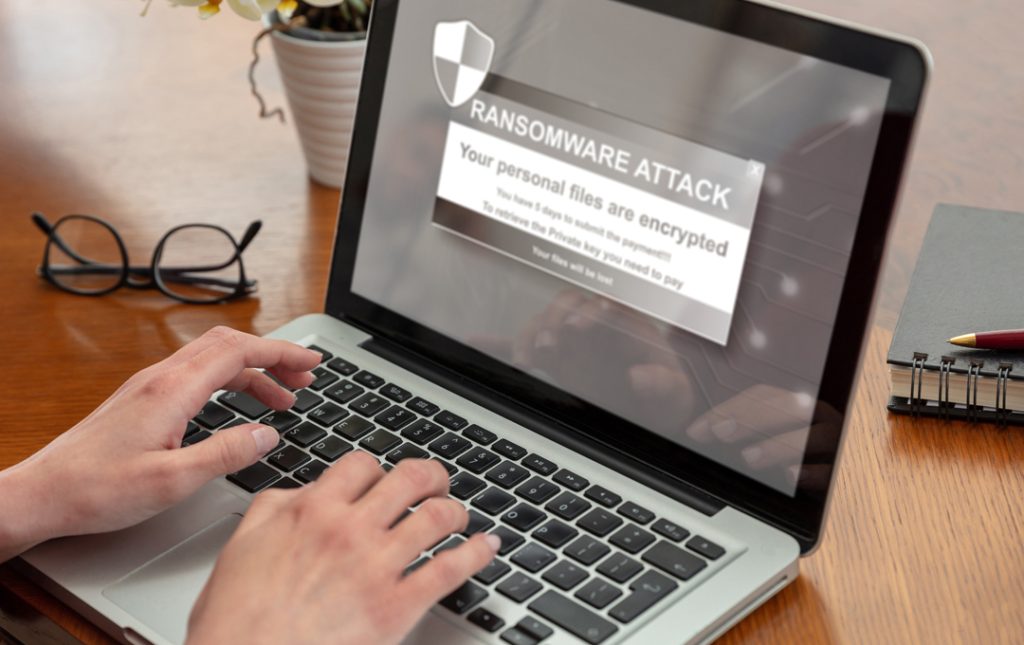
This article explores how to protect your systems from ransomware attacks, keep your computer safe from viruses, detect early signs of infection, and best practices in cybersecurity especially in the UAE context drawing on the latest research and industry trends.
Ransomware attacks are among the most damaging forms of cybercrime today. What once began as relatively simple encryption malware has evolved into sophisticated extortion operations involving data theft, double extortion, and AI-driven tactics. In 2025, many ransomware strains use advanced behavioral evasion, exploit unpatched vulnerabilities, or leverage supply chain attacks to propagate.
In the UAE and wider Middle East region, the threat is real and growing. Ransomware incidents in the UAE increased by 32% in 2024, illustrating how local organizations are becoming prime targets.
To defend effectively, individuals, small businesses, and enterprises alike must adopt a multi-layered, proactive approach to cybersecurity. Below are core strategies and actionable steps you can take now.
1. Keep Software and Systems Up to Date
A significant proportion of successful ransomware intrusions exploit known vulnerabilities in operating systems, firmware, remote management tools, or third-party software.
2. Use Principle of Least Privilege and Access Controls
Limit user permissions to only what’s necessary. If any account is compromised, attackers should not be able to traverse your network freely.
3. Deploy Advanced Threat Protection & Endpoint Security
Traditional antivirus alone is often insufficient against modern ransomware. You need Endpoint Detection & Response (EDR), behavior analysis, and real-time anomaly detection.
4. Maintain Immutable, Offline Backups
Backups are your last line of defense when facing ransomware. But attackers increasingly target backup systems too.
5. Monitor Threat Intelligence & External Signals
Staying ahead requires visibility beyond your own network.
6. Employee Awareness & Security Culture
Many ransomware incidents begin with phishing, social engineering, or tricking users into running malicious files.
7. Network Segmentation & Micro-Segmentation
Limit the lateral spread of any intrusion.
8. Incident Response & Disaster Recovery Planning
Even the best defenses can be bypassed. You need a tested playbook to act quickly.
Maintain contacts with external forensic or incident response (IR) firms in advance.
Ransomware is a type of malware. Many protective measures overlap with general malware and virus defenses:
By combining these measures, you raise the bar significantly against both malware and ransomware.
Detecting ransomware early can help you prevent full encryption or reduce damage. Key indicators include:
If you suspect ransomware, immediately isolate the device (disconnect from network), preserve logs and evidence, and engage your incident response process.
Because your region is in the UAE, here are extra considerations relevant to local organizations:
The Regulatory & Institutional Landscape
Local Cybersecurity Market & Service Providers
Because the threat environment is evolving quickly, local service providers often maintain up-to-date threat intelligence on regional ransomware groups targeting the Gulf region.
Begin with a security risk assessment: identify critical assets, threat vectors, and weaknesses.
Harden systems, close misconfigurations, enforce secure baselines.
Use multiple overlapping controls endpoint security, network segmentation, backups, identity management.
Deploy EDR, behavioral tools, log monitoring, and threat intelligence.
Respond quickly to anomalies.
Ensure backups are secure, immutable, tested, and disconnected from primary systems.
Prepare for full recovery even if an attack occurs.
Maintain a response plan, roles, external contacts, and conduct regular drills.
Document lessons learned and improve posture continuously.
Instill security awareness across your workforce.
Make security part of regular business operations, not an afterthought.
Work with reputable cyber security companies in Dubai or UAE to augment internal capability.
Hire or retain skilled cyber security analysts for proactive threat hunting.
Coordinate with regulators and Data Protection Authority if needed.
By combining technical, procedural, and human controls, you make it exponentially harder for ransomware to succeed.
In conclusion, protecting against ransomware, malware, and viruses is a continuous effort, never a one-time fix. You must stay vigilant, keep defenses updated, and build resilience through backups, layered security, and human awareness. In the UAE and Dubai region especially, local compliance, regulation, and service support matter.
WiseTech Systems LLC provides end-to-end cybersecurity and ransomware protection services for clients seeking top tier defense.
The best way to protect from ransomware attacks is by using layered security: keeping systems updated, enabling multi-factor authentication, maintaining immutable backups, deploying endpoint security, and providing employee awareness training.
You can protect against malware by installing advanced anti-malware software, disabling macros, avoiding downloads from untrusted sources, and regularly scanning your device for threats.
Signs of ransomware include sudden file encryption, unusual file extensions, ransom notes appearing on the screen, disabled antivirus software, and inaccessible files or corrupted documents.
Cybersecurity companies in Dubai and UAE provide advanced solutions like threat intelligence, incident response, network monitoring, and compliance consulting. They also ensure organizations meet data protection authority requirements in the UAE.
Yes, data protection in UAE is regulated under the Personal Data Protection Law (PDPL) and overseen by a Data Protection Authority, which ensures businesses comply with security and privacy standards.
Book a free consultation with our IT expert today. Schedule your meeting now.
Schedule a Meeting