The Role of Animation and Micro Interactions in UX Design and Brand Personality
June 18, 2025 Development & Maintenance 5 min read
Animation and micro interactions are powerful tools for improving user experience, shaping behavior and shaping how people perceive your brand. When used effectively, animations and micro interactions create meaningful moments for user engagement while subtly telling customers “We see you.”
What Are Micro Interactions?
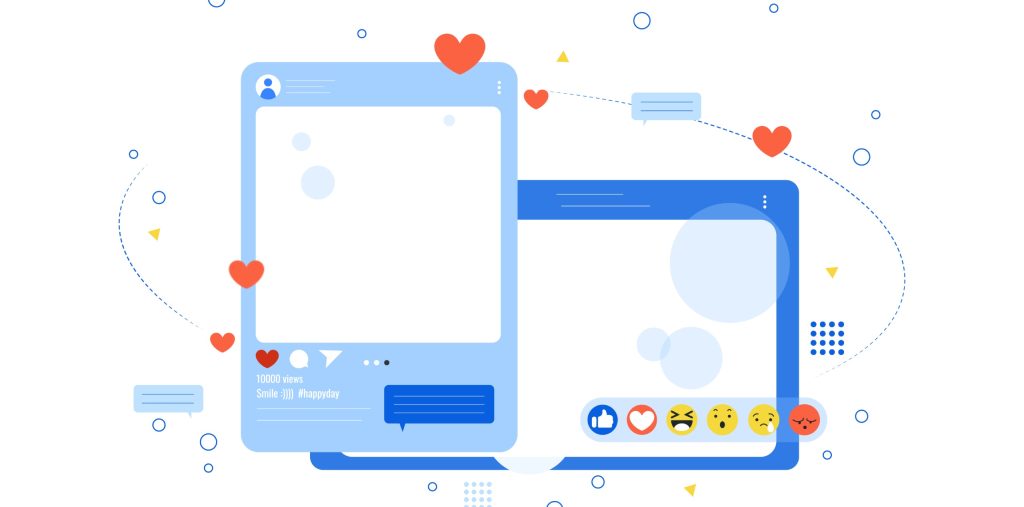
Let’s start with the fundamentals. What are micro interactions? They are small but powerful animations or responses triggered by user action, for instance, heart that burst when “liking” a post or subtle vibrations when toggling switches in smart device apps are both examples of micro interactions that should not be forgotten. Micro interactions are everywhere.
Micro interactions provide visual cues, confirmations and emotional reinforcements – whether it’s the familiar loading spinner that confirms something’s happening or an engaging “slide to unlock” feature that feels satisfyingly tactile. These “UI micro interactions” serve as visual clues, confirmations and emotional reinforcements in their various forms.
The Role of Animation in Improving User Experience
Animation is more than just movement. it’s communication. The role of animation in UX lies in its ability to guide users, smooth transitions, and create rhythm. A well-placed animation can explain complex functions without using words at all, making the user journey feel seamless while digital interactions seem natural and comfortable.
An animated transition helps users understand when switching tabs in an app; its sliding motion helps users know they are moving from one section to the next and is often necessary. Animation also reduces cognitive load by visually connecting actions with outcomes; especially useful in complex interfaces or wearable technology where screen space may be limited.
Why Micro Interactions Matter
Micro interactions in UX design go beyond aesthetics, they’re grounded in usability and psychology. At their best, these micro interactions should:
Instant Feedback: Informing users their action has been registered (such as a button changing color after being clicked) is essential in creating user trust and keeping users engaged with your application.
Enhance Navigation: Animations can provide guidance for how users should navigate an app, including how they should swipe gestures or navigate menu transitions.
Communicate the Status: From loadersto notifications, micro interactions demonstrate that the system is operating smoothly.
Add Joy: Simply adding an element of delight can make digital interactions even more pleasurable. From receiving confetti after finishing a task to winks from avatars, digital interactions can become much more joyful experiences.
These interactions not only enhance user experience but also help foster emotional connections to a brand. Customers remember these moments fondly and come back for more.
Micro Interactions and Brand Personality
Website Micro interactions provide a great opportunity for brand expression. A fintech website might use precise animations to show trust and professionalism; on the other hand, fitness websites might use more energetic animations that inspire motivation and fun.
Attributes like these help your interface feel humanized; users who experience meaningful micro interactions feel like they’re engaging with an actual personality rather than just using another tool. Over time, this builds recognition and loyalty.
Consider the distinction between an automated checkbox and one with an engaging, satisfying tick and bounce: one is strictly functional while the latter provides branding opportunities through interaction.
Enhancing Engagement Through Emotions
Users tend to return to digital products that feel satisfying to use, according to behavioral science. When micro interactions create moments of joy or satisfaction for users, creating positive emotional associations which increase user engagement by keeping users longer, engaging more frequently, and sharing their experience.
Fitness trackers celebrate completed goals with animated fireworks or vibrations to trigger dopamine responses and increase usage – this is how micro interactions and behavioral nudges come together in harmony.
Real World Examples of Effective Micro Interactions
Here are a few familiar examples that demonstrate how effective micro interactions can be:
Pull-to-Refresh Animations: These animations serve as a subtle visual cue that notifies users when their page has updated, while some apps even include fun graphics such as spinning logos or moving icons to alert users that this process has begun.
Search Autocomplete: Utilizing a search bar that offers real-time suggestions can create an enjoyable and interactive experience.
Button States: With their hover and press animations, even simple buttons can provide users with assurance they’re on the right path.
All these examples illustrate how micro interactions are not simply “nice-to-have.” They’re essential.
Best Practices for Designing Micro Interactions
Here are a few design strategies for getting the most from animation and micro interactions:
Maintain Purposefulness: Don’t just engage for the sake of engaging; every interaction should serve a specific purpose – either functional, emotional, or both.
Match Your Brand Voice – Develop interactions that showcase your brand’s tone, whether playful, serious, or subdued.
Test Across Platforms – From mobile to desktop and wearable technology environments, test micro interactions across all environments for maximum efficacy.
Balance Subtlety and Clarity – You want micro interactions to be noticeable without becoming distracting.
Iterate Based on Feedback – Take advantage of analytics and user comments to adapt and evolve.
In Conclusion
In an age where attention spans are short and expectations high, micro interactions and animation have become key components of effective UX. They help guide users, communicate actions more clearly, make interfaces feel more alive – but most importantly they create emotional connection between user and brand that reflect your brand in a humanized fashion.
Utilizing micro interactions and animations carefully on websites, designers can craft experiences that are both functional and captivating for visitors.